In this post

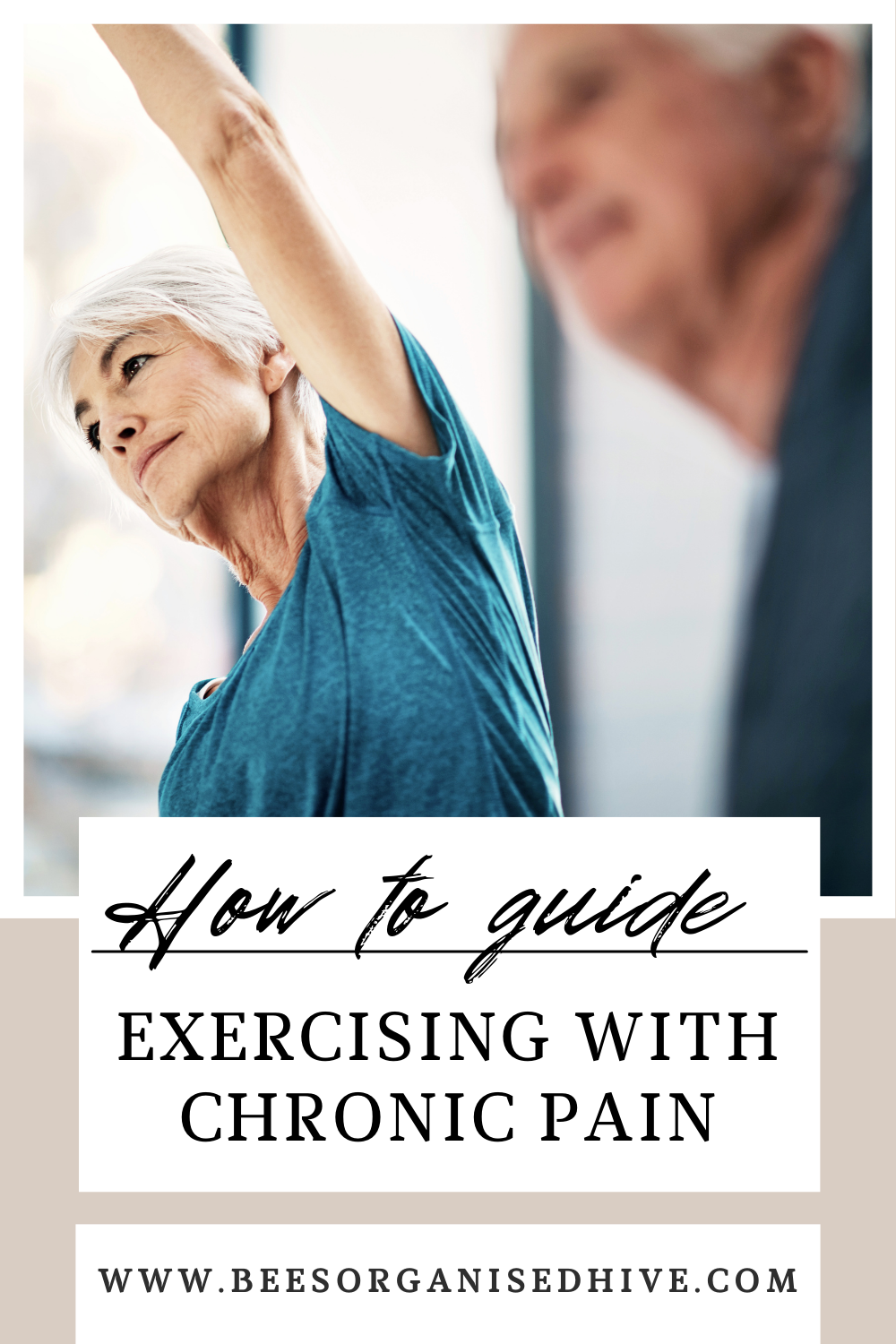
Exercising with chronic pain doesn’t have to be running a marathon or climbing Mount Everest.
As you know Chronic pain is a real challenge in our everyday lives. If you follow me on my blog you will know I have Spontaneuous CRPS. Find out more about my pain journey here.
Having an active lifestyle when you live with chronic pain sometimes feels impossible. You also don’t need me to tell you how important it is to stay fit and healthy.
However, with the right approach, it’s possible to add movement into your daily routine safely and effectively.
Enjoy and don’t forget to comment at the end, I love hearing from you and subscribe to get access to FREE printables, newsletters, the latest posts and more.

Understanding Chronic Pain
These are some of my blog posts that can help you understand your pain and ways to cope better.
Why Exercising with Chronic Pain is Important
While it may seem odd, exercise can play an important role in managing chronic pain.
Regular physical activity gives several benefits, including:
Improved circulation: This improves blood flow to affected areas. Helps with healing and reducing stiffness.
Strengthened muscles: Helps support joints and reduce the strain on painful areas.
Better mood: Releases endorphins, which are natural pain relievers and mood boosters.
Increased flexibility: Maintains range of motion in joints, preventing further injury.

Exercises for Chronic Pain
I am not a professional so please ask your doctor or physio before doing these.
These are some of the exercises I do to help keep me healthy while dealing with Chronic Pain.
1. Gentle Stretching
Stretching is something I do every day. This is a great way to maintain flexibility and reduce stiffness.
Focus on gentle, slow stretches that target the areas where you experience pain. Always stop if it hurts!
Hold each stretch for 15-30 seconds, breathing deeply to relax your muscles. Some effective stretches include:
Hamstring Stretch: Sit on the floor with one leg straight and the other bent. Reach towards your toes without forcing the stretch.
Shoulder Stretch: Bring one arm across your body and gently pull it closer with the opposite hand.
2. Water-Based Exercises
Exercising in water works great for me. It puts less pressure on my body and joints.
Swimming, water aerobics, or simply walking in a pool can be great.
3. Walking
Walking is a low-impact exercise.
This can be adjusted to your comfort level.
Start with short walks, gradually increasing the duration as your body allows.
Choose flat, even surfaces to avoid unnecessary strain on your joints.
Use my Pacing worksheet to track timings and know your body better.
4. Yoga and Meditation
These practices focus on gentle movements, breathing, and mindfulness.
You will know I love using meditation daily and you can check out these posts on how to use them effectively.
Post: How I use Meditation when I’m in pain.
Post: How to deal with pain – step by step guide.
Post: My complete guide to self-crae.
Yoga helps improve flexibility, balance, and strength while promoting relaxation.
Look for classes or videos specifically designed for individuals with chronic pain.
5. Strength Training
Strengthening your muscles can help support painful areas and reduce the risk of injury.
Of course, not everyone will be able to manage this type of exercise.
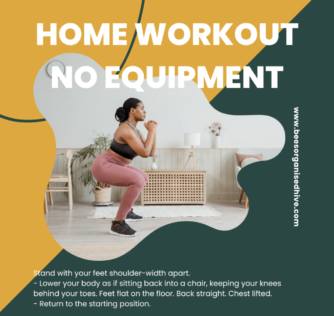
Use light weights, resistance bands, or bodyweight exercises. Focus on major muscle groups, and avoid exercises that cause pain. For example:
Seated Leg Lifts: Sit in a chair and slowly lift one leg at a time, holding for a few seconds before lowering it. I do this every day.
Wall Push-Ups: Stand facing a wall, and place your hands on the wall. Do push-ups while standing to reduce the load on your joints.
I also have this post that may help.
Tips for Exercising with Chronic Pain
Listen to Your Body: It’s the most important thing to remember. Pay attention to your body’s signals, don’t ignore what your body is telling you.
If an exercise causes pain, stop and modify the activity or try something different.
Start Slow: Begin with low-intensity exercises. You can gradually increase the duration and intensity as your body adapts.
Stay Consistent: Regular exercise, even in small amounts, can lead to long-term benefits. Aim for consistency rather than intensity.
Talk with a Professional: Before starting any new exercise routine, it’s a good idea to talk with a healthcare provider.
Focus on Relaxation: Add relaxation techniques. Deep breathing or meditation, can help manage pain.

Bee's Thoughts on exercising with chronic pain.
Exercising with chronic pain means you need to be careful.
You need to plan and have a gentle approach.
Choose low-impact activities, listen to your body, and focus on consistency.
Doing this you can reap the many benefits of exercise without worsening your pain.
Remember, the goal is never to push through the pain! But to find a balance that allows you to stay active and improve your quality of life.
Please feel free to comment below, I love hearing from you.
Bee Inspired. Bee Joyful. Bee You.

Subscribe to Bee’s newsletters, new products, latest posts and access to FREE printables!